Hurricane Readiness: Protecting People, Cash Flow, and Customers
Hurricanes are sustained operational events, not single-day property events. Here's a practical framework for getting your organization — and its insurance, continuity, and crisis plans — ready before the season tests them.
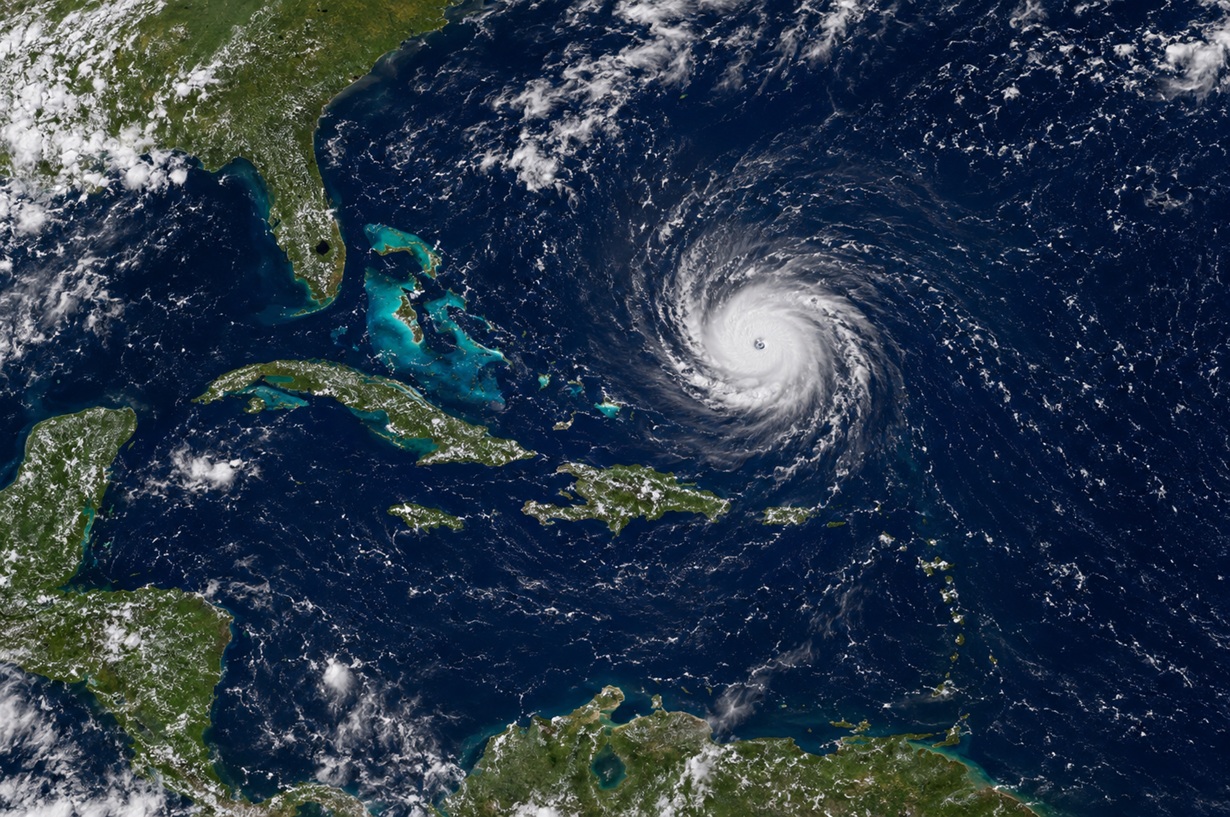
Hurricanes rarely cause damage only to the building. They interrupt power, connectivity, transportation, staffing, and supplier performance across a wide area at the same time — which is exactly why an organization can experience serious revenue and service impact even when physical damage to its own facility is limited. The organizations that come back fastest treat readiness as practical and integrated: insurance, business continuity, alternate workspace, vendor risk, crisis decision-making, and employee safety planning, working together rather than as separate checklists.
Why Hurricanes Disrupt Operations Beyond the Storm Itself
For organizations along the U.S. East Coast, hurricanes can affect operations well before landfall and well after the storm passes. Forecast uncertainty leads to preemptive closures of ports, bridges, transit, and public services. Evacuation orders, school closures, and fuel shortages can limit staffing even when a facility itself remains intact. Afterward, access restrictions, debris, and utility restoration priorities can keep operations constrained for days or weeks.
In island and coastal markets, disruption can be more concentrated and longer-lasting, due to infrastructure dependencies, limited availability of specialized contractors, and logistics constraints when ports or airports are impaired. For multi-site organizations, the bigger risk usually isn't a single damaged facility — it's correlated disruption across customers, suppliers, and transportation routes that all sit in the same geography.
Insurance Readiness
Insurance preparation isn't just confirming a policy exists — it's confirming the coverage actually matches how your organization experiences hurricane losses. For many organizations, the largest financial impact isn't the broken window; it's the lost production, delayed shipments, spoiled inventory, or inability to access a facility. That's where business interruption and extra expense coverage matter most, and where policy conditions can slow recovery if they aren't understood in advance.
A few coverage features are worth specific attention: named storm deductibles, which are often calculated as a percentage of insured value rather than a flat dollar amount and can create a larger retained loss than expected; sub-limits, smaller caps that apply to specific loss types such as flood, storm surge, or debris removal even when the overall policy limit is higher; and waiting periods, which delay when business interruption coverage actually begins.
Insurance Review Checklist
- Confirm covered perils for each location, including how wind, flood, storm surge, and surface water are treated
- Review limits and sub-limits for flood, debris removal, expediting expense, service interruption, and civil authority coverage
- Model the practical cash-flow impact of named storm deductibles across locations
- Validate business interruption provisions, including waiting periods and period of restoration
- Review contingent business interruption coverage for losses triggered by a critical supplier or customer
- Confirm insured values are current for buildings, equipment, and inventory, including seasonal peaks
Claims Readiness
Claims move faster when you can clearly show what happened, what it damaged, and what it cost. The most common delays happen when records are scattered, storm-related expenses are mixed with normal operating costs, or early mitigation steps aren't documented in a way that aligns with what an insurer expects to see. A simple daily event log — capturing decisions made, mitigation steps taken, vendor arrivals, and temporary measures installed — paired with dated photos and a consistent cost-coding approach, helps an adjuster understand the situation quickly and reduces back-and-forth.
Business Continuity Basics
Business continuity is the discipline of keeping essential functions running during a disruption and restoring normal operations in a deliberate sequence. A plan is only useful if it reflects how work actually gets done and can be followed under stressful conditions.
A business impact analysis (BIA) is a structured way to determine what matters most, how quickly it needs to be restored, and what it needs to function — and it helps avoid a common failure mode during hurricanes: restoring what's visible rather than what's actually critical. Two measures matter most here: recovery time objective (RTO), the targeted time to restore a function after disruption, and recovery point objective (RPO), the acceptable amount of data loss measured in time. An RTO of 24 hours for order intake, for example, implies that remote access, phones, customer data, and staffing backups all need to be ready to support that timeline — not just the RTO target on its own.
BIA and Recovery Objectives Checklist
- Identify critical functions by time horizon — 24 hours, 72 hours, two weeks — with an accountable owner for each
- Document minimum operating requirements for each critical function: people, systems, data, suppliers, and equipment
- Define RTO and RPO targets and confirm IT and vendor capabilities can actually support them
- Map single points of failure — sole approvers, single facilities, single applications, sole suppliers
- Build manual workarounds for top functions, such as offline customer lists or alternate payment methods
- Run at least one pre-season exercise that forces timed decisions under a realistic scenario
Alternate Recovery Space and Vendor Risk
Maintaining operational capability when a primary site is unavailable means more than assuming remote work will simply work. Hurricanes often create intermittent connectivity and constrained cellular networks, so the realistic question isn't "can we work remotely" — it's whether you can work remotely with partial systems and high employee stress, tested in advance rather than assumed.
Hurricanes also expose the difference between a vendor list and an actual supplier strategy. During widespread events, suppliers prioritize customers and restoration vendors triage requests — planning should assume that not everyone on a contact list will be available, even where contracts exist. Classifying vendors by how critical they are, and by where they physically operate, helps surface geographic concentration risk that a simple vendor list won't show.
Worth checking in advance: service level agreements can be weakened by force majeure clauses or simple practical limitations during a regional disaster. Rather than assuming an SLA will protect you, ask vendors directly how they prioritize restoration during a major event and what they need from you to activate support.
Crisis Management and Communication
Crisis management is what turns a plan into decisions. During a hurricane threat, leaders have to make time-sensitive calls with incomplete information, and the organizations that handle this well tend to share a clear command structure, a predictable briefing cadence, and disciplined communication.
A command structure should be simple, role-based, and have backups defined in advance — and it should make clear who has decision authority, so the team isn't seeking approvals during the critical window. Briefing cadence matters too: pre-landfall briefings are often daily or twice daily, briefings during impact may be needed every few hours, and a daily cadence during stabilization keeps recovery moving without exhausting the team running it.
Employees, customers, and vendors tend to tolerate disruption better than they tolerate silence. The most credible communications are simple: what's operating, what's paused, what the organization is doing next, and when the next update will come — kept consistent across every channel.
Employee Life Safety
Life safety is the foundation everything else depends on. A hurricane plan that ignores the reality of what employees are dealing with — evacuating, caring for family, property damage, unreliable transportation — will fail exactly when it's needed most.
Plans should be explicit about when evacuation is expected versus shelter-in-place, recognizing that guidance may differ by location and may be superseded by local authorities. Accountability shouldn't rely on a single system — a mass notification tool is useful, but a fallback phone tree and a simple roster process matter when networks are strained. Recovery also extends beyond physical repairs: stress and fatigue can drive safety incidents and turnover, which is why manager guidance on post-event check-ins is worth preparing before the season starts, not after.
Common Pitfalls to Avoid
Hurricane impacts often become larger than they need to be because of preventable planning gaps. A frequent one is focusing only on the facility and overlooking the broader operational ecosystem — suppliers, utilities, and workforce constraints. Another is assuming remote work will be seamless without testing it under degraded conditions. On the insurance side, underestimating the practical impact of named storm deductibles and sub-limits, or waiting until after the event to decide how to track costs, are both avoidable. And on the crisis management side, unclear decision authority and inconsistent communication can slow recovery even when resources are otherwise available.
Hurricane readiness works best when it starts early and is built around realistic operational decisions, not just a forecast. The goal isn't predicting the storm — it's reducing downtime, protecting employees, and restoring service with confidence, regardless of how the season unfolds. A documented, tested business continuity plan, integrated with your insurance program and crisis communication procedures, is what makes that possible for small and medium-sized businesses as much as it is for large enterprises.
Ready to build your risk management plans?
Plan & Recover generates industry-specific, regulation-ready business continuity plans in hours. Your first plan is free.